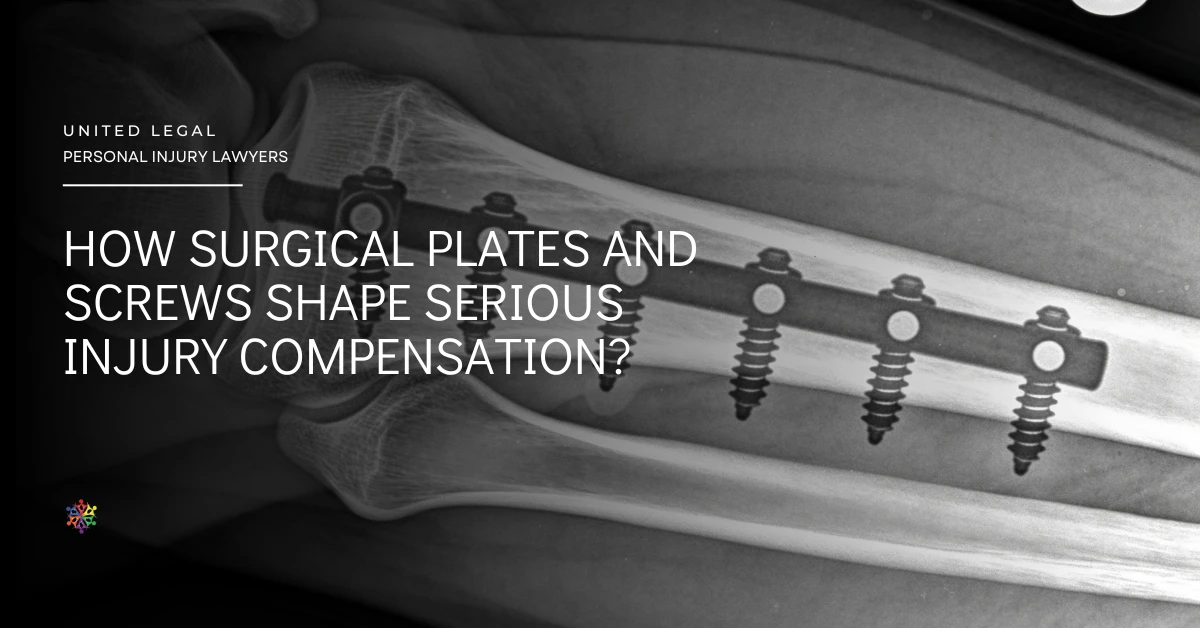
Suffering a serious injury that requires surgical plates or screws can change far more than your X-rays. Beyond the physical pain, these procedures often affect your mobility, employment, and long-term quality of life. However, when surgery becomes necessary because of someone else’s negligence, you may be entitled to compensation that reflects the full impact of your injury — not just the fracture itself.
Understanding how plates and screws influence a serious injury claim can help you protect your rights and secure the support you need to move forward.
Understanding Serious Injury Compensation Involving Plates and Screws
When an accident causes complex fractures, doctors often use plates, screws, or rods to stabilise bones and support healing. Importantly, the need for surgical fixation usually signals a more severe injury, which can significantly increase the value of a compensation claim.
In the ACT, injured individuals may pursue compensation under the Civil Law (Wrongs) Act 2002 (ACT) when another party’s negligence causes harm. You can read more about this legislation on the ACT Legislation Register here: https://www.legislation.act.gov.au/a/2002-40/
Because these injuries often involve long recovery periods, compensation recognises both immediate and future consequences.
What Does a Plates and Screws Injury Claim Cover?
A serious injury compensation claim involving surgical hardware may account for several types of loss. Typically, compensation can include:
- Hospitalisation and surgical costs
- Follow-up procedures or revision surgery
- Physiotherapy and rehabilitation
- Loss of income or reduced earning capacity
- Ongoing pain, stiffness, or limited mobility
- Emotional distress and lifestyle disruption
Moreover, if plates or screws cause complications — such as infection, nerve damage, or future surgery — this can further increase the value of your claim.
Common Accidents Leading to Surgical Fixation
Plates and screws are commonly required after high-impact incidents. For example, these injuries often arise from:
- Motor vehicle and motorcycle accidents
- Workplace or construction site incidents
- Falls from heights or unsafe premises
- Sporting or recreational accidents
- Crush injuries involving heavy equipment
Even when bones heal, many people experience lasting discomfort or reduced function. As a result, early legal advice becomes essential.
How to Make a Serious Injury Compensation Claim
Step 1: Seek Immediate Medical Treatment
First and foremost, prompt medical care is essential. Surgical reports, imaging, and specialist notes provide strong evidence of injury severity and long-term impact.
Step 2: Gather Supporting Evidence
Next, collect all relevant documentation, including medical records, accident reports, photographs, and witness statements. Together, these materials help establish liability and strengthen your claim.
Step 3: Notify the Responsible Party or Insurer
After reviewing your case, your lawyer will notify the at-fault party or insurer. Importantly, acting early ensures your claim remains within ACT time limits.
Step 4: Engage an Experienced Injury Lawyer
Finally, working with a personal injury lawyer ensures your claim reflects more than just a “broken bone.” Instead, it captures surgery, recovery time, and future limitations.
To better understand your legal options, read: Personal Injury Settlements vs Going to Court – What’s the Best Option?
How Compensation Is Calculated
Every case differs. However, courts and insurers usually consider:
- Severity and complexity of the fracture
- Number and type of surgical procedures
- Length of recovery and rehabilitation
- Impact on work and daily activities
- Likelihood of future surgery or chronic pain
For a clearer breakdown, see: List of Compensation Payouts and How They Are Calculated
Challenges in Plates and Screws Injury Claims
Despite clear medical evidence, claimants may still face difficulties. For instance, insurers may:
- Downplay long-term pain or stiffness
- Argue that recovery ended once bones healed
- Dispute the need for future treatment
Nevertheless, strong legal representation ensures your claim reflects reality — not assumptions.
Final Thoughts: Looking Beyond the X-Ray
Plates and screws may stabilise bones, but they do not erase the impact of a serious injury. Ultimately, compensation exists to support your recovery, independence, and future security. When handled properly, a serious injury claim acknowledges both visible damage and long-term consequences.
Need Legal Help With a Serious Injury Claim?
At United Legal, our experienced personal injury lawyers assist clients across the ACT with serious injury claims involving fractures, surgical plates, and screws. We understand that recovery does not end when surgery does.
From gathering medical evidence to negotiating with insurers, we manage the legal process so you can focus on healing.
Call (02) 6295 2283 or email admin@unitedlegal.com.au for your free consultation today. Starting today could make all the difference in your recovery and peace of mind.