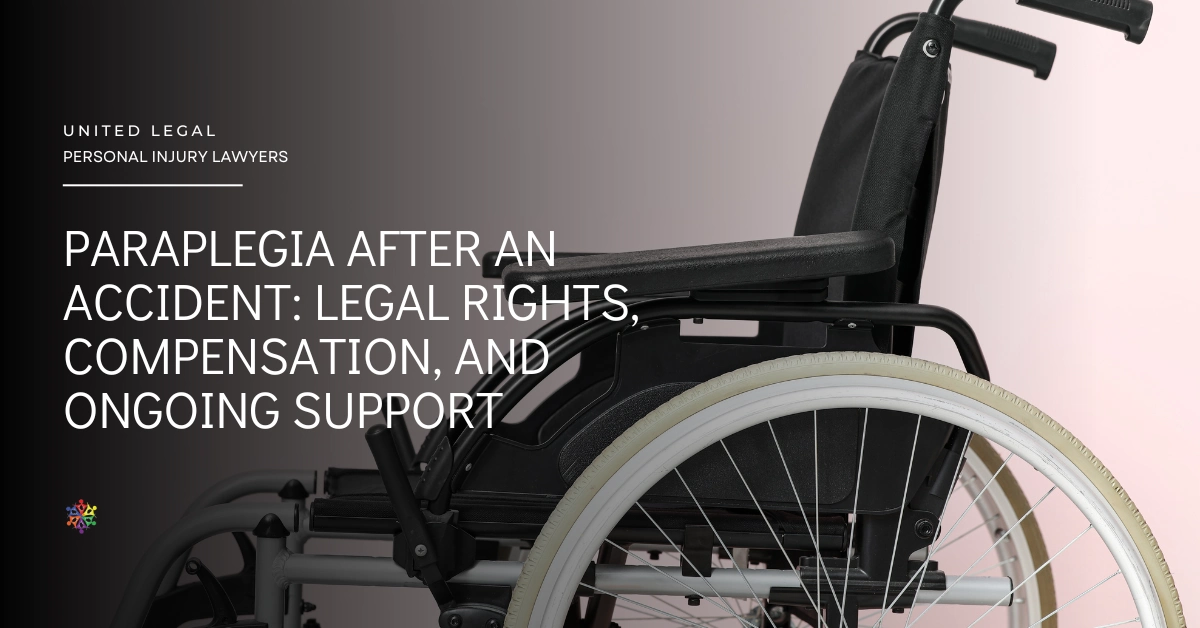
Paraplegia after an accident can reshape every part of your life from mobility and independence to work, relationships, and future plans. However, when the injury occurs because of someone else’s negligence, you are not without options. Understanding your legal rights, compensation pathways, and available support can help you regain stability and move forward with confidence.
A paraplegia compensation claim exists to ensure injured individuals receive financial support for medical care, rehabilitation, and the long-term assistance needed to live with dignity after a life-changing spinal injury.
Understanding Paraplegia and Its Long-Term Impact
Paraplegia is a spinal cord injury that results in partial or complete paralysis of the lower body. While the physical effects are immediate and visible, the long-term consequences often extend much further.
For example, people living with paraplegia may experience:
- Reduced independence in daily activities
- Ongoing medical and rehabilitation needs
- Loss of employment or career limitations
- Emotional and psychological challenges
- Increased reliance on carers or assistive technology
As a result, compensation must address not only initial treatment but also the lasting impact on quality of life.
What Is a Paraplegia Compensation Claim?
A paraplegia compensation claim allows an injured person to seek financial compensation when negligence causes spinal cord damage. This may involve negligence by a driver, employer, property owner, or medical professional.
In the ACT, these claims are governed by the Civil Law (Wrongs) Act 2002 (ACT), which provides a legal framework for recovering damages when someone breaches their duty of care. You can read the legislation directly on the ACT Legislation Register here: https://www.legislation.act.gov.au/a/2002-40/
Importantly, compensation recognises both economic losses and the profound personal impact of paraplegia.
What Compensation Can Cover
A successful paraplegia compensation claim may include financial support for:
- Medical treatment, surgery, and hospital care
- Rehabilitation and physiotherapy
- Mobility aids and assistive equipment
- Home and vehicle modifications
- Long-term care and support services
- Lost income and reduced earning capacity
- Pain, suffering, and loss of enjoyment of life
Therefore, compensation aims to provide long-term security, not just short-term relief.
Common Causes of Paraplegia Claims
Paraplegia often results from serious accidents, including:
- Motor vehicle and motorcycle collisions
- Workplace and construction site incidents
- Falls from heights
- Medical negligence involving spinal procedures
- Unsafe public or commercial premises
For instance, accidents in poorly maintained public spaces can lead to catastrophic spinal injuries. To understand more on how liability can arise in these situations, read: https://www.unitedlegal.com.au/public-liability-form/
How Compensation Is Assessed
Every paraplegia compensation claim is assessed individually. Courts and insurers consider several key factors, such as:
- Severity and permanence of the spinal injury
- Level of independence and mobility
- Ongoing medical and care requirements
- Impact on employment and lifestyle
- Expert medical and rehabilitation evidence
Because of this, paraplegia claims often involve detailed reports and long-term projections of care needs.
Why Legal Support Matters
Paraplegia claims are complex and high-value. Unfortunately, insurers may attempt to limit payouts by focusing only on immediate medical costs while overlooking future care and lifestyle impacts.
An experienced personal injury lawyer helps ensure:
- All future needs are properly assessed
- Evidence is gathered and presented effectively
- Insurers negotiate fairly
- Your claim reflects the true cost of living with paraplegia
Living Forward With the Right Support
Although paraplegia is permanent, the right support can significantly improve quality of life. Rehabilitation programs, adaptive technology, counselling, and tailored living arrangements all play a crucial role in recovery.
In addition, compensation can help fund these supports, allowing you to focus on rebuilding independence and confidence rather than financial stress.
Final Thoughts: Moving Forward After Paraplegia
Paraplegia changes your life, but it does not take away your right to stability, dignity, or support. A paraplegia compensation claim acknowledges the reality of your injury and helps secure the resources needed for long-term care and wellbeing.
With the right legal guidance, you can protect your future and focus on living forward.
Need Help With a Paraplegia Compensation Claim?
At United Legal, our experienced personal injury lawyers assist clients across the ACT with serious injury claims, including paraplegia caused by negligence. We understand the physical, emotional, and financial challenges that follow spinal injuries, and we are committed to protecting your rights every step of the way.
From gathering evidence to dealing with insurers, we handle the legal process so you can focus on recovery.
Call (02) 6295 2283 or email admin@unitedlegal.com.au for your free consultation today.