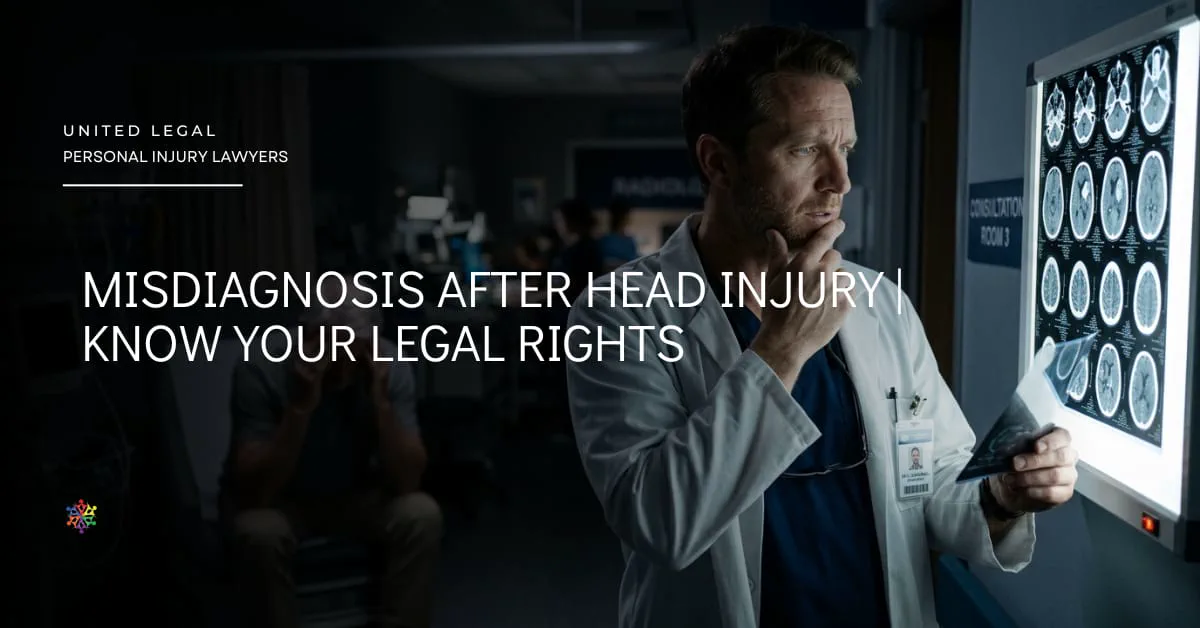
A Misdiagnosis After Head Injury can change someone’s life in ways they never expected. You trust doctors and hospitals to spot serious problems quickly. When they don’t, the outcome can be devastating.
A missed brain injury isn’t always “just bad luck.” Sometimes, it happens because proper medical care wasn’t provided. If that’s the case, you may have the right to make a Medical Negligence Claim in Australia and seek compensation for the harm you’ve suffered.
Let’s look at what this means, how these mistakes happen, and what your legal options may be.
When Is a Misdiagnosis After Head Injury Considered Medical Negligence?
Not every wrong diagnosis is medical negligence.
Doctors aren’t expected to be perfect. They are expected to provide care that meets accepted professional standards.
A Misdiagnosis After Head Injury may become negligence if a reasonably competent doctor would have:
- Ordered further testing
- Recognised warning signs
- Referred you to a specialist
- Requested a CT scan or MRI
- Kept you under observation instead of sending you home
If those reasonable steps weren’t taken and your condition became worse, you could have grounds for a Medical Negligence Claim in Australia.
Common Examples of Misdiagnosis After Head Injury
Head injuries often look harmless at first.
Someone may appear alert, speak normally, or only complain of a headache. Sadly, serious brain injuries can develop slowly and always follow professional medical guidelines if symptoms worsen.
Common examples include:
Brain Bleed Misdiagnosis After Head Injury
One of the most common mistakes is treating a brain bleed as a mild concussion.
Without timely scans and treatment, pressure inside the brain can increase rapidly.
Delayed Diagnosis of Head Trauma After a Head Injury
A delayed diagnosis of head trauma may happen when warning signs are ignored, including:
- Persistent vomiting
- Confusion
- Severe headache
- Memory problems
- Loss of consciousness
- Unequal pupils
- Difficulty speaking
Even a delay of several hours can make treatment much harder.
Try Our Medical Negligence Free Claim Check
Migraine Misdiagnosis After Head Injury
Sometimes symptoms are blamed on
- Migraine
- Stress
- Dehydration
- Inner ear problems
- Anxiety
Meanwhile, the real injury continues to worsen.
Child Head Injuries That Are Missed
Children may struggle to explain how they feel.
Doctors should pay close attention after falls, sporting injuries, or car accidents.
Missing a serious injury in a child can lead to permanent complications.
Emergency Department Errors
Busy emergency departments often work under pressure.
Even so, patients should still receive appropriate assessment.
A hospital misdiagnosed head injury claim may arise if:
- CT scans weren’t ordered when needed
- Symptoms weren’t documented properly
- Patients were discharged too early
- Test results weren’t reviewed
- Follow-up advice was inadequate
Learn more about the strict [time limits for filing a medical malpractice claim in Australia]
How to Prove Misdiagnosis After Head Injury in Australia
Many serious brain injuries develop gradually.
Always seek urgent medical attention if someone develops:
- Increasing drowsiness
- Repeated vomiting
- Seizures
- Difficulty walking
- Confusion
- Slurred speech
- Vision changes
- Weakness on one side
- Loss of consciousness
These symptoms often need immediate investigation.
How Do You Prove Medical Negligence?
Many people wonder whether a poor outcome automatically means negligence.
It doesn’t.
A successful Medical Negligence Claim in Australia usually requires proving several important points.
1. A Duty of Care Existed
Doctors, hospitals and healthcare providers owe patients a legal duty of care.
2. That Duty Was Breached
Evidence must show the treatment fell below accepted medical standards.
Examples include:
- Failure to assess symptoms properly
- Ignoring red flags
- Delaying imaging
- Incorrect diagnosis
- Failing to refer to specialists
3. The Delay Caused Additional Harm
This is often the most important part.
Your legal team must show the delayed diagnosis of head trauma caused injuries that could likely have been reduced or avoided with earlier treatment.
4. Medical Evidence Supports Your Claim
Medical records often become key evidence.
Your solicitor may also obtain:
- Independent specialist reports
- Hospital records
- CT and MRI scans
- Ambulance records
- GP notes
- Rehabilitation reports
These documents help establish whether a head injury malpractice lawsuit has strong legal foundations.
What Compensation May Be Available?
Every claim is different.
The amount depends on the seriousness of your injuries and how your life has been affected.
Possible medical negligence compensation Australia may include:
Medical Expenses
This can include:
- Hospital treatment
- Surgery
- Rehabilitation
- Medication
- Specialist appointments
- Physiotherapy
- Occupational therapy
Future Medical Care
Some brain injuries require ongoing support for years.
Future costs may include:
- Home modifications
- Mobility equipment
- Long-term therapy
- Professional care services
Lost Income
If your injury stopped you working, compensation may include:
- Lost wages
- Reduced earning capacity
- Superannuation losses
Pain and Suffering
Brain injuries affect much more than physical health.
Compensation may also recognise:
- Ongoing pain
- Emotional distress
- Reduced quality of life
- Loss of independence
Care Provided by Family
Family members often become unpaid carers.
That support may also form part of your claim depending on your circumstances.
Read our comprehensive guide on [how No-Win-No-Fee compensation claims work]
What Should You Do If You Think Your Head Injury Was Misdiagnosed?
If you suspect a Misdiagnosis After Head Injury, acting promptly can make a real difference.
Helpful steps include:
- Get urgent medical treatment if symptoms continue.
- Request copies of your medical records.
- Keep receipts for medical expenses.
- Record your symptoms and recovery.
- Keep details of missed work and lost income.
- Speak with an experienced medical negligence solicitor before accepting responsibility for what happened.
The earlier evidence is gathered, the easier it can be to understand exactly what occurred.
Can You Make a Hospital Misdiagnosed Head Injury Claim?
Many claims involve hospitals rather than individual doctors.
A hospital misdiagnosed head injury claim may involve:
- Public hospitals
- Private hospitals
- Emergency departments
- General practitioners
- Specialists
- Radiologists
Each case depends on its own facts.
An experienced lawyer can review your records and explain whether a head injury malpractice lawsuit may be available.
How Long Do You Have to Start a Claim?
Australia has limitation periods that set deadlines for legal action.
The exact time limit depends on:
- Which state or territory you live in
- When you discovered the negligence
- Your age
- Whether the injured person is a child
Waiting too long may affect your ability to claim, so it’s worth getting legal advice as early as possible.
You Don’t Have to Face This Alone
Living with the effects of a Misdiagnosis After Head Injury can be physically, emotionally, and financially exhausting. If you believe a delayed or incorrect diagnosis made your condition worse, it is worth finding out where you stand legally. An experienced medical negligence lawyer can review your circumstances, explain your options in plain English, and let you know whether you may have a strong Medical Negligence Claim in Australia. Many firms offer a free initial claim review, giving you the chance to ask questions and understand your next steps without upfront pressure.
Speak With an Experienced Medical Negligence Lawyer
A Misdiagnosis After Head Injury can leave you facing ongoing medical treatment, financial stress, and uncertainty about the future. If you believe a doctor or hospital failed to diagnose your head injury properly, you may have the right to make a Medical Negligence Claim in Australia.
Our experienced medical negligence lawyers understand how devastating these situations can be. We can assess your circumstances, explain your legal options in plain English, and advise whether you may be entitled to medical negligence compensation Australia.
Contact our team today for a free, no-obligation claim review. We’ll listen to your story, answer your questions, and help you understand the next steps towards seeking the compensation you deserve.
Get Free Case Review